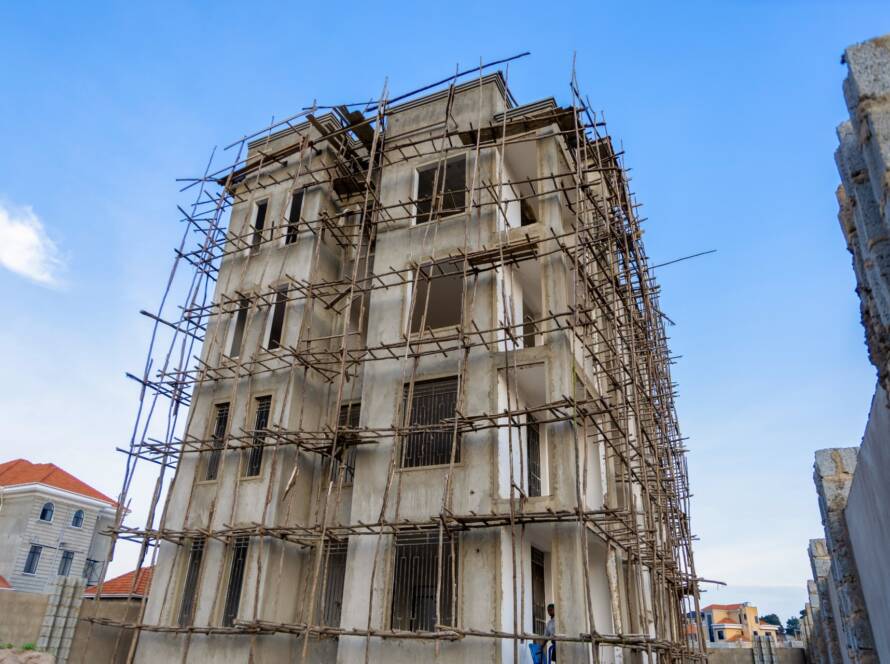
Often, Uganda’s economic narratives revolve around agriculture, oil, and manufacturing. But real estate quietly underpins all of them. Construction not only builds homes and offices—it builds systems: housing labour, enabling industry, and linking commerce. When carried out strategically, real estate becomes a national economic engine.
1.The Real Estate Multiplier Effect
Every development activates a chain of economic activity: architects, engineers, suppliers, transporters, marketers, financiers, local businesses. For every HMK project initiated, dozens of Ugandan enterprises benefit. This ripple effect stimulates jobs, strengthens urban economies and revitalises emerging suburbs such as Kigo and Mukono.
2. From Shelter to Asset Class
In Uganda’s evolving market, real estate is no longer just providing shelter—it’s becoming an asset class. With better access to financing and growing interest from the diaspora and institutions, transparency and governance in development matter more than ever. HMK emphasises structured payment plans, strong project governance and clear value-delivery, making real estate investable.
3. Infrastructure as Foundation
No successful development stands alone. Roads, drainage, electricity—they are the bedrock of meaningful value. By aligning projects with national infrastructure priorities, HMK helps create thriving, reliable developments rather than isolated estates.
4. Long-Term Strategy and Growth
As Uganda’s population continues to grow and urbanise, real estate becomes central to planning. Developers who combine foresight, design intelligence and construction discipline will not only shape spaces—they will shape economies.
Conclusion
The next phase of growth in Uganda hinges not on speculation, but on strategic development and structural integrity. HMK Real Estate & Construction Ltd views every project as part of a broader national narrative—transforming investment into impact, and building spaces that sustain communities and economies.